
Examining the Incident: A Closer Look at the DUI Arrest of a Southwest Pilot
The recent arrest of a Southwest Airlines pilot in Savannah, Georgia, has sparked heated debate about law enforcement procedures when dealing with potentially intoxicated individuals in highly sensitive, safety-critical positions. This opinion editorial aims to take a closer look at the sequence of events, the legal processes involved, and the broader implications for commercial aviation and criminal justice. Throughout this piece, we will poke around the details of the case and examine the fine points of field sobriety tests and arrest procedures.
Field Sobriety Test and Body Camera Footage Under Scrutiny
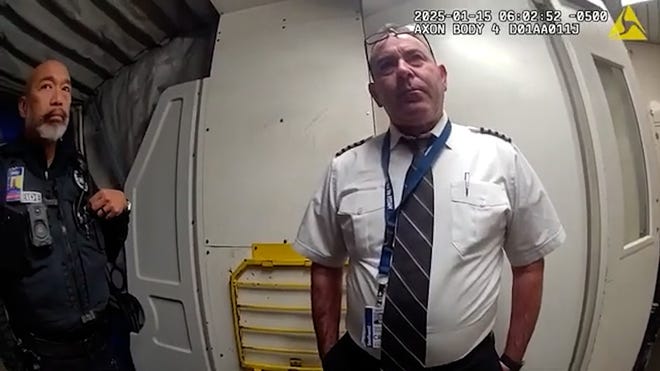
Body camera footage released to the public captures the moments law enforcement officers interacted with the pilot, David Allsop, 52, at Savannah/Hilton Head International Airport. According to the video, officers engaged Allsop in a conversation about his alcohol consumption, during which he stated that he had his last drink the previous night. This brief exchange and subsequent field sobriety test have been subject to significant debate regarding their administration and accuracy. Law enforcement officials maintained that a strong odor of an alcoholic beverage was evident, but the pilot argued that the scent was due to a Rogue nicotine pouch. This difference in interpretation raises several tricky parts when it comes to establishing the true cause and context of such smells.
Pivotal Questions on Evidence and Procedure
One of the most contentious aspects of the case is whether the officers correctly followed the procedures required during a DUI investigation. The officer’s assertion that the odor was “consistent with an alcoholic beverage” stands in direct contrast with the explanation offered by Allsop, a decorated Air Force veteran with nearly 20 years of incident-free flying history for Southwest Airlines. The officer’s decision to conduct a field sobriety test using a series of walking and counting exercises is standard practice in many DUI cases, but it has come under fire in this instance for several reasons. Critics argue that the test’s administration in the busy airport environment may not have accurately reflected the pilot’s true level of impairment.
Detailed Analysis of the Field Sobriety Test Procedures
Field sobriety tests are designed to provide immediate evidence of impairment, yet their reliability can vary significantly based on the circumstances. In this incident, the following points have proven particularly controversial:
- Timing and Environment: The test was administered shortly before Allsop was scheduled to board a Chicago-bound flight. The hurried nature of the test, combined with the airport’s busy, stressful environment, may have contributed to ambiguous results.
- Officer Expectations: Officers noted that Allsop was displaying strong signs of intoxication, a claim that did not align with Allsop’s long history of stable performance as a pilot.
- Absence of Chemical Testing: Allsop refused a blood draw to measure his blood alcohol concentration, a decision that further complicated the determination of his physical state and led to his arrest under the statute that prohibits the operation of any moving vehicle while under the influence.
Concerns with Test Administration
Critics, including Allsop’s legal representative, have pointed out that the test may have been administered in a way that did not fully take into account all the subtle details of proper DUI testing protocol. The notion that a simple body odor can lead to such serious repercussions is deeply troubling to many, particularly in a situation involving a critical role in public safety. Officers were charged with quickly determining impairment based on results from a test that many argue could be easily misinterpreted under the circumstances. This raises the question: Was the test designed with enough sensitivity to the twists and turns of a cockpit pilot’s lifestyle?
Understanding the Legal Framework Governing DUI Arrests in Commercial Aviation
The legal statutes relating to DUI arrests, especially for individuals in roles that involve the handling of commercial aircraft, are both strict and unyielding. In Georgia, as in many other states, the law categorizes any form of impaired operation of a moving vehicle as a serious offense. When applied to pilots, the law becomes even more stringent due to the inherent risks associated with aviation. The Georgia statute that drove Allsop’s arrest is a clear reminder that even a hint of impairment, as interpreted by officers, can lead to severe legal consequences in such regulated environments.
Statutory Requirements and Their Application
The law in Georgia is specifically designed to protect public safety by ensuring that anyone operating a moving vehicle—or in this case, an aircraft—is not impaired by substances such as alcohol. The officer’s declaration that Allsop’s behavior “amounted to DUI [Less Safe]” is a direct reflection of the state’s commitment to these safety standards. However, the process by which impairment is measured can often be tangled with issues that are not fully understood by the general public.
A closer look at the legal framework reveals several critical points:
- Strict Liability: DUI laws operate under a strict liability standard in many cases. This means that even minor deviations from expected behavior can lead to legal action.
- Consent and Test Refusal: Allsop’s refusal to have his blood alcohol content tested brought additional challenges. In many states, such a refusal can automatically lead to harsher penalties, irrespective of the eventual determination of impairment.
- Impact on Professional Licensure: For pilots, an arrest related to DUI can have catastrophic implications for their career, trigger mandatory rehabilitation, and result in the loss of their professional licenses—even if further investigation reveals that their impairment was in question.
Criticism of the Procedures: Legal Perspectives and Officer Conduct
One of the most compelling critiques of this case comes from David Chaiken, Allsop’s attorney. He argues that the procedures employed by law enforcement were not in line with best practices for administering field sobriety tests. The suggestion is that errors in procedure led to an improper evaluation of Allsop’s condition. According to Chaiken, the officer should have taken a closer look at the subtle parts of the event, considering factors such as the airport environment, the timing of the test, and the potential for external factors (like the use of a nicotine pouch) to influence the results.
Issues Highlighted by Legal Experts
Several legal experts have spoken up about the need for reform in the way these tests are administered. Their concerns include the following:
- Procedure Validity: Critics argue that when tests are not performed under ideal conditions, they risk being more of a liability than a definitive measure of impairment.
- Officer Training: There is increasing pressure on law enforcement agencies to ensure that officers are thoroughly trained in handling such nuanced situations, particularly when the subject is engaged in a highly skilled profession such as commercial piloting.
- Peer Review and Standardization: The lack of a standardized process across different jurisdictions may lead to inconsistent results, which, in turn, can undermine the credibility of DUI enforcement procedures.
Table: Key Concerns and Legal Arguments
| Issue | Description | Legal Implication |
|---|---|---|
| Test Environment | The test was conducted in a high-stress, busy airport setting that may not accurately reflect the requirements of the test. | Potential grounds for questioning the reliability of the results. |
| Officer Discretion | Reliance on subjective measures such as odor detection as evidence of alcohol consumption. | Can lead to disputes about whether proper protocols were followed. |
| Refusal to Test | The subject’s refusal to undergo a blood test increases the legal complications of establishing impairment. | Often results in automatic penalties that may not reflect the actual level of impairment. |
| Professional Career Impact | An arrest related to DUI carries far-reaching consequences for professionals operating high-risk machinery. | Can jeopardize the subject’s career, calling into question the proportionality of DUI charges. |
Balancing Public Safety and Individual Rights
The incident involving Captain Allsop sits at the crossroads of public safety and individual rights, raising important questions about the balance between protecting the public and safeguarding the rights of individuals accused of DUI. On one hand, law enforcement agencies have a responsibility to ensure that anyone operating a commercial aircraft is not impaired. On the other hand, there is growing concern about whether the applied measures are sometimes overly aggressive, especially when the evidence may be open to alternative interpretations.
Public Safety Considerations
The critical nature of aviation safety necessitates a conservative approach. Even the off-putting slightest hint of impaired judgment can have serious implications. Here are a few points to consider:
- Zero Tolerance Policy: Aviation regulations worldwide often adopt a zero tolerance approach to substance impairment due to the sheer potential for disaster.
- Risk Management: In many cases, the decision to proceed with an arrest is driven by the need to minimize risk, even if it means that the offending party’s conduct is later subject to legal challenge.
- Credibility and Trust: Public trust in airline safety is paramount, and any hint of impairment by a pilot can have a ripple effect on consumer confidence and the industry’s reputation.
Individual Rights and Fair Treatment
Conversely, questions continue to be raised regarding the treatment of individuals, especially those with unblemished records and significant professional contributions. Critics argue that procedures, if not conducted with all the little details in mind, may lead to unwarranted punitive measures. Some points include:
- Due Process: Every individual, regardless of occupation, deserves a thorough and fair evaluation before irreversible decisions are made.
- Procedural Integrity: The importance of following meticulously defined guidelines cannot be overstated. Small twists and turns in how tests are administered can have a profound impact on outcomes.
- Reputation at Stake: For professionals like Allsop, an arrest on these grounds—even if an error in test administration can later be proven—has long-term career repercussions.
The Wider Implications for Legal Practice and Law Enforcement
The case of Captain Allsop underscores how the intersection of law enforcement procedures and the legal rights of the accused is a particularly edgy area, loaded with issues and full of problems. The importance of ensuring that procedural rules are followed correctly is a super important lesson here. Any misstep can lead to wrongful arrests or misinterpretation of evidence, ultimately affecting not just the individual involved but also the broader legal system’s credibility.
Impact on Policy and Training Programs
This incident calls for a close examination of existing protocols regarding DUI tests, particularly in contexts that require high precision due to the safety implications involved. There are several areas in which policy and practice might be improved:
- Enhanced Officer Training: Law enforcement officials should receive more extensive training on how to administer field sobriety tests in non-ideal conditions. Emphasis on understanding the subtle details of human physiology, such as reactions to nicotine pouches versus alcohol, can help reduce wrongful assessments.
- Review of Field Protocols: A review board could be established to analyze unusual cases and offer recommendations to ensure that tests are administered in a manner that minimizes ambiguity.
- Inclusion of Additional Evidence: Where physical evidence such as body camera footage might be interpreted in multiple ways, establishing protocols for additional confirmatory evidence is critical before proceeding to arrest. This could include using alternative testing methods or requiring a quieter, more controlled environment whenever possible.
Legal Precedents and Their Influence on Future Cases
Another angle worth considering is how this case might set a precedent for similar events in the future. When a pilot or any professional in a critical safety role is arrested on the basis of a potentially flawed procedure, it sends a message about the balance between caution and fairness. Legal experts are already discussing how appeals and subsequent court rulings in this case could influence the way DUI cases involving safety-sensitive roles are handled.
Some potential legal considerations include:
- Standards for Evidence Admissibility: Courts may be asked to weigh the significance of body camera footage against expert testimony on proper field sobriety test administration, potentially leading to new legal standards.
- Reevaluating DUI Statutes: This case could trigger discussions among legislators regarding the need to update DUI laws to better account for unique professions and controlled testing environments.
- Clarification on Consent Procedures: The implications of test refusal, especially for professionals whose refusal might stem from concerns about misinterpretation, could be reexamined.
Public Reaction and Its Influence on the Justice System
Cases that garner significant media attention, such as the arrest of a well-regarded pilot, often have a way of influencing public sentiment. The narrative around Captain Allsop’s arrest has been polarized, with many viewing him as a dedicated professional unfairly caught in a nerve-racking situation, while others maintain that strict adherence to safety protocols must prevail. This tension illustrates the challenge that law enforcement faces in balancing the harsh realities of public safety with the lighter, more human side of individual rights and career impacts.
Media Coverage and Public Discourse
Media outlets have played a crucial role in shaping public perception by disseminating details from the body camera footage and interviews. Some key points impacting public discourse include:
- Sympathy for a Proven Professional: Many members of the public, along with industry veterans, emphasize Captain Allsop’s long-standing service and commend his contributions to his country and commercial aviation.
- Skepticism of Rapid Judgment: Observers have criticized the abrupt nature of the sobriety test and the reliance on factors that might be open to interpretation, such as body odor detection.
- Call for Systematic Reform: Both legal analysts and community advocates are urging a reassessment of DUI protocols, especially in cases where the accused holds a position that directly affects public safety.
Influence on Policy Debate
The public reaction to Captain Allsop’s arrest is more than just a momentary news story; it is fueling a larger debate about how best to manage the tricky parts of DUI law enforcement, particularly in environments where missteps can have significant consequences. Lawmakers and legal experts are now being called upon to consider whether current laws adequately balance public safety with procedural fairness, or if adjustments are necessary to ensure that officers do not inadvertently penalize individuals due to the inherent challenges associated with field sobriety tests.
The Role of Legal Representation in Challenging the Arrest
Defense attorney David Chaiken has been vocal in his criticism, labeling the arrest as emblematic of a procedural failure rather than a clear-cut case of DUI. Chaiken argues that the fine points and little details revealed in the body camera footage point to a misapplication of the law—one that could have dire career consequences for a pilot with a spotless record. His stance highlights an ongoing challenge in the legal world: how to ensure that testing methods and the resulting evidence are beyond reproach when the stakes are so high.
Legal Strategy and Potential Defenses
The defense in such cases often centers around a few key themes, which include:
- Inconsistent Test Administration: Arguing that the conditions under which the field sobriety test was administered were not conducive to generating reliable evidence.
- Misinterpretation of Evidence: Highlighting the possibility that non-alcohol-related factors (such as the use of a nicotine pouch) were mistaken for signs of intoxication.
- Violation of Protocol: Claiming that a failure to adhere to established procedures could render the gathered evidence inadmissible in court.
If successful, these defensive arguments could not only exonerate Captain Allsop but also set a precedent for how similar cases are to be handled in the future. In fact, legal scholars are already keen on examining whether cases like these should prompt a reexamination of existing field sobriety test standards across jurisdictions.
Future Perspectives: Reforms in DUI Protocols and Safety Regulations
The implications of this case extend far beyond the immediate circumstances. For law enforcement, legal practitioners, and the commercial aviation industry alike, there is a pressing need to figure a path that reconciles the sometimes confusing bits of procedure with the absolute requirement for public safety. A number of potential reforms have been suggested by experts from various fields, such as:
- Standardized Testing Procedures: Implementing uniform protocols for field sobriety tests that account for environmental variables present in high-traffic areas like airports.
- Enhanced Multidisciplinary Training: Ensuring that officers receive ongoing training from experts in both law enforcement and aviation safety to better understand the unique challenges in this intersection.
- Incorporation of Advanced Technology: Exploring the use of more precise technology for measuring blood alcohol content in real-time could help reduce reliance on subjective measures such as odor detection.
Collaborative Efforts for Policy Improvement
In order to truly improve how DUI cases are handled, especially when they involve professionals in highly sensitive positions, there must be a combined effort from lawmakers, aviation regulators, and law enforcement agencies. Some initiatives that could be taken include:
- Interagency Task Forces: Creating committees that include representatives from both law enforcement and aviation authorities to review and improve existing protocols.
- Data-Driven Policy Making: Utilizing data from past DUI incidents involving pilots and other safety-critical personnel to assess where errors in procedure most commonly occur and to address those issues accordingly.
- Public Consultations: Engaging with the flying public, airline employees, and legal experts to solicit feedback on how new policies might better balance safety concerns with the need for fair treatment of professionals.
Legal and Ethical Considerations: A Broader Outlook
Beyond the tangible consequences for Captain Allsop and the immediate legal debates, this case invites us to consider broader ethical questions related to law enforcement, fairness, and the protection of civil liberties in high-stakes environments. While the goal of DUI laws is unequivocally to protect the public, the means by which these protections are enforced should not come at the expense of individual rights or result in irreversible professional and personal repercussions without sufficient evidence.
Ethical Dilemmas in High-Stakes DUI Cases
The ethical dilemmas stirred up by this case include:
- Proportionality of Response: The need to balance a zero-tolerance stance on impairment against the potential for procedural errors that can misidentify harmless behavior as dangerous.
- Presumption of Innocence: Ensuring that the accused is treated as innocent until proven otherwise, even amidst public outcry and media frenzy.
- Long-Term Repercussions: The risk of a single, potentially flawed test permanently tarnishing the record of a professional who has dedicated decades of service to aviation and national defense.
Legal Safeguards and Ethical Oversight
The tension between enforcing strict safety regulations and ensuring ethical treatment is not new, but cases like this are a reminder that constant vigilance is needed. Safeguards may include:
- Independent Review Panels: Setting up third-party committees to review cases where there is significant dispute over the procedures followed during DUI arrests.
- Transparency in Reporting: Making body camera footage and other evidentiary material available for independent review to build public trust in the justice process.
- Periodic Audits of Field Procedures: Scheduled reviews by external experts to assess and improve the methodologies used in field sobriety tests and related procedures.
Reflections on the Impact for Commercial Aviation
The arrest of a commercial pilot, particularly one with a distinguished service record in the U.S. Air Force, also reverberates within the aviation industry. The pilot’s role is crucial not only to the safety of passengers but also to the overall confidence in air travel. As such, any action that might tarnish the reputation of a veteran pilot warrants careful reconsideration. The industry must balance its uncompromising safety standards with a fair process that considers each case on its own particular twists and turns.
Industry Ramifications and Safety Protocols
The commercial aviation industry is no stranger to intense scrutiny when it comes to safety protocols. The consequences of even a slight misstep can be severe. Some industry observers note the following:
- The need for clear communication between law enforcement and aviation authorities to avoid misunderstandings that could jeopardize flight schedules and passenger safety.
- Opportunity for industry-led training sessions that could help police better understand the routine behaviors of professional pilots, which could otherwise be misinterpreted in a heightened security environment.
- Potential for reassessment of random testing policies, particularly under conditions when environmental factors might interfere with the results of standard sobriety tests.
Pilots’ Perspective and Calls for Fairness
For pilots, the prospect of an arrest—even one later found to be procedurally flawed—can be career-altering. It has prompted calls within the aviation community for greater clarity in how DUI laws are applied to those entrusted with public safety. Many argue that while safety must always come first, the measures taken should not unnecessarily penalize skilled professionals who have contributed significantly to both national security and commercial aviation safety over decades.
Final Thoughts: Looking Ahead with a Measured Response
The unfolding of this case represents far more than an isolated incident involving a single pilot. It is a snapshot of the ongoing challenges that arise when law enforcement procedures, stringent safety regulations, and individual rights intersect. While the necessity to protect the public cannot be overstated, neither can the importance of ensuring that procedures are followed with due diligence and fairness.
Key Takeaways from the Analysis
To summarize, here are several essential lessons drawn from this case:
- Thorough Review of Procedures: Every step taken by law enforcement, particularly in high-risk areas like aviation, must be subjected to rigorous review to ensure accuracy.
- Balancing Safety and Fairness: Measures enacted in the interest of public safety should not overshadow the right to fair process—especially for individuals with exemplary records.
- Need for Additional Evidence: Relying solely on a single method of assessment, such as a field sobriety test influenced by environmental factors, may not be sufficient grounds for severe legal action.
- Implications for Policy and Practice: The case serves as a catalyst for discussions on updating DUI protocols and ensuring that they account for the unique aspects of professions that are critical to public safety.
Moving Forward in an Era of Enhanced Scrutiny
As we look to the future, it is clear that both law enforcement and legal systems must evolve in response to emerging challenges and public demands for fairness. The case of Captain Allsop provides a timely reminder that while technology such as body camera footage has improved transparency, it also brings with it a heightened responsibility to interpret evidence in context. Moving forward will require a concerted effort from all stakeholders to address the tricky parts and tangled issues that define such high-stakes incidents.
Conclusion: A Call for Thoughtful Reform and Measured Justice
In conclusion, the arrest of a seasoned pilot accused of DUI before a major flight is an incident that encapsulates the complicated pieces of modern law enforcement intersecting with the high-pressure world of commercial aviation. From the administration of the field sobriety test to the legal implications of refusing further chemical testing, this case challenges us to figure a path that upholds public safety while preserving individual rights.
It is essential that moving forward, law enforcement agencies consider refinements in training, reevaluation of protocols, and greater transparency with the public. Only through such thoughtful reform can we ensure that the scales of justice balance both safety and fairness—a balance that is absolutely key for maintaining trust in our legal system and our nation’s critical infrastructure.
As legal experts, aviation professionals, and the broader community digest the nuances of this case, it remains clear that every subtle detail—from a body odor detection error to the timing of a field test—can have life-changing repercussions. It is incumbent upon our legal institutions to work through these challenges and implement policies that are both effective and just.
Ultimately, the story of Captain Allsop invites us to take a closer look at how we, as a society, manage the intersections of duty, procedure, and justice. It is our hope that robust conversation, comprehensive review, and thoughtful reform will pave the way for a system that truly benefits everyone—ensuring safety without sacrificing fairness, and upholding the rights of every individual who steps into the cockpit.
Originally Post From https://www.usatoday.com/story/news/nation/2025/08/20/southwest-pilot-sobriety-test-arrest-video/85748287007/
Read more about this topic at
Video shows Southwest pilot taking sobriety test on jet …
Southwest pilot arrested for DUI denies bodycam footage …