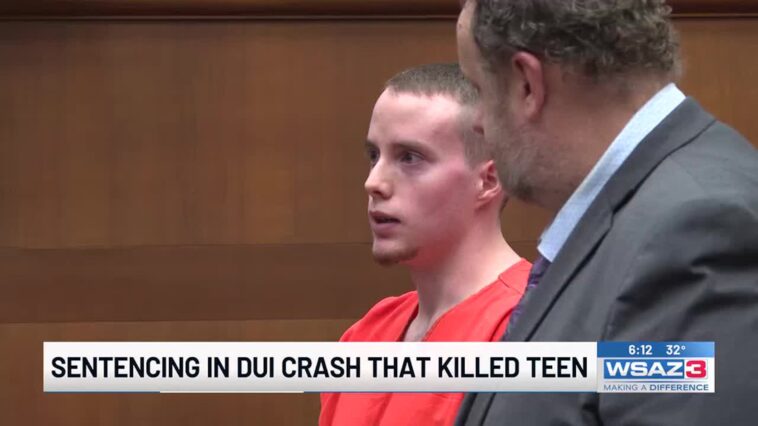

Legal System Under the Microscope: The DUI Sentencing and Its Implications
The recent sentencing of Larry Stull in relation to the fatal DUI crash on U.S. 27 in Pulaski County raises many questions about our criminal justice system. In this case, a 64-year-old man, whose actions resulted in the loss of life—namely, the death of motorcyclist Chester Dick—is now serving a combined sentence of 30 years. As we take a closer look into this matter, it becomes important to understand not only the legal charges that were brought forward but also the broader implications of how a reckless DUI can lead to such severe penalties.
This opinion editorial will dive in to explore the various legal angles behind DUI cases, provide an overview of the sentencing process, and discuss the challenges that legal professionals face when assessing these cases. We will also examine the reaction from both the public and legal community, and consider how the legal system’s approach to similar incidents might be improved or better understood by the public.
The Road to Sentencing: Key Offenses and Legal Charges
The case against Mr. Stull brought forth several charges, including wanton murder and assault. These charges alone are enough to set off an alarm bell in the legal community, especially given the gravity of the consequences that led to a death. While not every aspect of this case is easy to figure a path through, the combination of alcohol, impaired judgment, and consequent collisions makes for a nerve-racking scenario for both victims’ families and legal observers.
Understanding the Specific Charges
Before delving into the broader legal implications, it is essential to outline the charges. In this instance, Mr. Stull admitted to:
- Wanton murder, for which he received 20 years, and
- Assault second, garnering an additional 10 years.
The DUI-related charges, although also important, were scheduled to run concurrently. This means they would not add extra time to the sentence since they would be served at the same time.
The distinction between concurrent and consecutive sentences is a particularly tricky part of criminal law. Concurrent sentences are essentially served simultaneously, while consecutive sentences necessitate that one sentence is completed before another begins. In the present case, serving 20 years for wanton murder consecutively with 10 years for assault second culminates in a total of 30 years.
Legal Terminology Simplified: A Table of Offenses and Sentences
| Charge | Sentence | Notes |
|---|---|---|
| Wanton Murder | 20 years | Served consecutively |
| Assault Second | 10 years | Served consecutively |
| DUI-related Charges | Concurrent | No additional time added |
This table neatly summarizes the charges and the resulting sentences. It is a useful mental model that allows observers to manage their way through the details of this case.
Examining the Legal Process: From Arrest to Admission
The road from being accused to accepting a guilty plea can be long and confusing. In Mr. Stull’s case, he reached a point where his legal team and the prosecuting authorities agreed that a plea would avoid the nerve-wracking ordeal of a jury trial, which was scheduled for November. This decision, while perhaps off-putting to those who believe in a trial by jury, has some distinct advantages for both sides in a case filled with complicated pieces.
It’s important to stress that the decision to plead guilty is often weighed carefully by both defense attorneys and prosecutors. Many factors play a role; among them are the likelihood of conviction at trial, the evidence’s strength, and the intricate details hidden within the incident. In a case that is so full of problems, accepting a plea might sometimes be a strategic way to provide some measure of closure while also sparing the community from prolonged legal battles.
The Role of Plea Bargaining
Plea bargaining is a common practice in the legal system, particularly when the evidence is stacked in favor of the prosecution. In Mr. Stull’s event, accepting a plea deal meant that the trial would be avoided. For many legal professionals and observers alike, this approach can seem like a double-edged sword. On one hand, it expedites the resolution of a case; on the other hand, it might leave some subtle details unexamined that might have been brought to light in a full jury trial.
When you get into the subject of plea bargaining, there are several factors to consider:
- Time and cost savings for the legal system
- The emotional toll of a lengthy trial on victims’ families
- The potential for mitigating circumstances to be overlooked
Each of these factors adds its own twist and turn to the overall process, which is why many view the negotiation process as not only legal but also deeply ethical in nature. The decision to accept a plea can sometimes be too intimidating for defendants facing the full force of the legal system.
Public Sentiment and the Broader Legal Debate
Public reaction to cases like Mr. Stull’s is often charged with emotions. There is significant public interest in how sentences are handed down, especially in vehicular manslaughter or DUI cases that involve fatalities. In many communities, there is a consensus that drunk driving should be met with strict penalties. However, this situation also opens up debates about proportionality and the appropriate length of incarceration for first-time or repeat offenders.
The legal system is full of confusing bits and tricky parts, and a case like this naturally invites debate about several key issues, such as:
- Deterrence: Does a 30-year sentence deter others from driving under the influence?
- Retribution vs. Rehabilitation: Is long-term incarceration the best way to address the root causes of DUI crashes?
- Equity: Are sentencing policies applied consistently across similar cases?
These questions are not easy to answer. They dive deep into the philosophy behind our justice system, asking us to consider whether the path currently taken is the most effective in preventing future tragedies while also ensuring justice for those impacted by such reckless actions.
Legal Precedents and Their Influence on DUI Cases
When reviewing a case like this one, it becomes imperative to consider the legal precedents set by earlier DUI cases. Past decisions in similar cases can provide some guidance on where the delicate balance of punishment and reform stands. These cases often center on two core ideas: punishment and reform. Legal experts are constantly taking a closer look at how previous DUI sentences influence current rulings.
Comparative Analysis of DUI Sentencing
By comparing similar cases, legal professionals can better understand how the law should ideally work when it comes to drunk driving fatalities. Some of the factors that are considered include:
- The defendant’s age and history of similar offenses
- How impaired or reckless the behavior was at the time of the incident
- Whether the accused showed any effort to mitigate their behavior post-incident
This comparative study is especially useful given that some cases might have additional mitigating or aggravating factors that can influence the ultimate sentence. The fine points of each case require a deep dive into the legal history and available evidence before a final judgment is rendered.
Lessons from Past Cases
One core lesson that emerges from reviewing past DUI cases is that a strong deterrent effect is often the outcome when sentences are both severe and unequivocally enforced. For instance, jurisdictions that adopt a zero-tolerance approach tend to see fewer recurrences of such incidents. However, another lesson is that extreme sentences may not address the underlying issues that lead to DUI incidents in the first place—issues that are as much social and medical as they are legal.
For the public and legal observers alike, this raises an interesting question: how can the legal system work through these challenges in a way that both punishes the offender and contributes to a more effective prevention strategy? It is a delicate balance, one that requires ongoing dialogue between lawmakers, legal experts, and community leaders.
Exploring the Underlying Causes of DUI Incidents
Beyond the courtroom drama, it is crucial to consider the underlying causes of DUI incidents themselves. Alcohol abuse, mental health issues, and a culture of drinking are some of the common factors that contribute to these types of events. These causes are often tangled issues that require a comprehensive approach, including education, treatment, and preventative measures.
Social and Psychological Factors
An important aspect to understand is that the decision to drive under the influence is rarely made in isolation. Social pressures, psychological struggles, and sometimes even economic factors can intersect to create the perfect storm for poor decision-making. Some factors that may contribute include:
- The normalization of heavy drinking in certain communities
- The lack of accessible mental health resources
- Economic pressures that force individuals to make quick, and often regrettable, decisions
- Influence of peer behavior and societal expectations
When you get into the subject of the social perspective on DUI, it’s clear that while the legal system paints a picture of right and wrong through criminal charges, the full context is laden with subtle details that require broader societal change.
Educational Measures and Community Outreach
One positive step is community-based educational programs that not only highlight the legal consequences but also address the human factors associated with DUI offenses. These programs often emphasize the following points:
- Recognizing the dangerous twists and turns of impaired driving
- Understanding that even a seemingly minor lapse in judgment can lead to irrevocable consequences
- Encouraging responsible drinking and alternative transportation options
For these measures to be effective, the community must be involved in a real conversation. When local authorities and community leaders team up, they can create initiatives that are not only helpful but also must-have tools in reducing the incidence of DUI-related tragedies.
The Role of Legal Reforms in Addressing DUI Offenses
In the wake of tragic incidents like the one involving Larry Stull, legal experts often call for reforms that aim to better steer through the pitfalls of our current system. While the sentencing in this case might serve as a strong deterrent, it also exposes areas where the law might be missing the mark. Legal reforms could focus on several key areas:
Improved Screening and Intervention Programs
One suggestion is to bolster screening and early intervention programs for individuals at risk of developing alcohol dependency. Programs like these could potentially identify individuals who might be headed toward risky behavior before a tragedy strikes. Some of the recommended strategies include:
- Regular community-based alcohol screening events
- Collaborative efforts between local health departments and law enforcement
- Mandated treatment programs for repeat offenders
Such measures could work as both a preventative tool and a means to reduce the number of cases that eventually escalate to the judicial system. These initiatives can be considered super important when evaluating the long-term efficacy of legal policies pertaining to DUI cases.
Sentencing Guidelines and Their Rigid Application
The sentencing guidelines used in DUI cases are designed to reflect both the severity of the offense and the potential for future harm. However, the application of these guidelines sometimes seems to be as confusing as they are strict. Legal experts suggest that a review of these guidelines may help in making them more adaptable to the specific circumstances of each case. Some of the issues that arise include:
- Balancing the need for punishment with the risk of rehabilitation
- Determining how concurrent versus consecutive sentences are best applied
- Ensuring punitive measures do not inadvertently exacerbate underlying social problems
Addressing these points involves looking at the nitty-gritty of past rulings and considering whether alternate sentencing options—such as community service or mandatory treatment programs—might better serve the interests of justice and public safety.
Reactions from the Legal Community and Public Figures
The legal community has had varied responses to cases similar to Mr. Stull’s. While some believe that the sentence was a necessary response to a reckless disregard for human life, others argue that it might be more efficient to focus greater attention on prevention and rehabilitation. There is also a debate about whether a 30-year sentence truly serves the goal of deterrence or just punishes an individual without addressing broader issues.
Perspectives from Prosecutors and Defense Attorneys
Prosecutors in these situations often point to the irreversible nature of the loss that occurred during the incident. One prosecutor stated, “A 64-year-old man was doing nothing more than operating a vehicle when a fatal collision occurred—this is about accountability.” Such a perspective underscores the belief that severe negligence must have equally severe consequences. However, the defense attorneys typically counter by highlighting that any claim of intent on the part of the defendant was missing; their client maintained that he did not remember the collision and never intended to cause harm.
These contrasting viewpoints illustrate the inherent tension in the legal process. While the state aims to impose a sentence that fits the crime in order to serve both a punitive and a deterrent function, the defense is charged with protecting individual rights and urging a more compassionate approach.
Public Policy Considerations and Calls for Change
Beyond the courtroom, public policy experts stress the importance of addressing the underlying issues that contribute to DUI incidents. Many community leaders argue that alongside strict sentencing, there should be a stronger focus on community education, increased access to mental health services, and targeted intervention programs. These are the key elements missing from the current system, elements that could lead to a reduction in the overall number of DUI incidents.
Experts have also noted that imposing lengthy prison sentences without simultaneous preventive measures can sometimes be counterproductive. For instance, while a lengthy incarceration may remove an offender from society, it does little to educate the community or provide support for individuals who may be on the brink of committing similar acts. In essence, a two-pronged approach that combines firm sentencing with robust social services might prove to be the most effective way forward.
The Economic and Social Costs of DUI Crashes
While the human cost of a fatal DUI crash is immeasurable, the economic impact is also significant. Medical bills, legal fees, and other related costs can place a heavy burden on the state. Additionally, there are social costs to consider, such as the loss of productivity, the strain on families, and the emotional toll on communities.
Breaking Down the Financial Implications
When we look at the economic aftermath of a DUI-related fatality, the following factors stand out:
- Medical Expenses: The cost to treat injuries resulting from collisions can be astronomical, especially when long-term rehabilitation is needed.
- Legal Costs: Protracted legal battles, investigations, and court procedures add up, draining public funds.
- Lost Productivity: The premature loss of life and the subsequent impact on families and communities contribute to a broader economic shortfall.
- Insurance Premiums: There is also an indirect economic cost in the form of increased insurance premiums for the community.
In many ways, these costs underline the argument that a purely punitive approach may be insufficient. It incites a conversation about whether our system should invest more heavily in preventive and rehabilitative measures rather than solely in punishment after the fact.
Social Disruption and Community Impact
Beyond the financial figures, the social disruption caused by DUI crashes is equally, if not more, significant. A fatality or serious injury from a DUI incident creates a ripple effect in the community. Neighbors, friends, and families struggle to come to terms with the loss and trauma experienced.
The community reaction often includes:
- Calls for stricter law enforcement and tougher penalties
- Public memorials and vigils to honor the victims
- Increased activism for improved road safety measures
Community solidarity in the wake of such tragedies can be a source of strength, yet it underlines how a single event can have far-reaching, tangled issues for society as a whole.
The Intersection of Public Safety and Individual Rights
At the core of the debate surrounding DUI sentencing lies the tension between public safety and individual rights. The state has an obligation to protect its citizens, and severe sentences for causes such as drunk driving can be one way to ensure that dangerous behaviors are discouraged. However, this must be balanced with the protection of individual rights, including the right to a fair and impartial trial, and the possibility of rehabilitation.
Public Safety as a Priority
From the perspective of public safety, long sentences and strict enforcement of DUI laws are often seen as necessary. Many legal experts argue that such strict measures send a clear message: driving under the influence is unacceptable and will be met with severe consequences. This position is not only about retribution but also about preventing future incidents, creating a culture where reckless behavior is not tolerated.
In reality, public safety is enhanced when the law is perceived as being both effective and fair. Law enforcement agencies are encouraged to adopt strategies that are less about chasing every small infraction and more about focusing on repeat offenders and cases with particularly dangerous outcomes.
Protecting Individual Rights and Promoting Rehabilitation
On the other side of the equation, individual rights advocacy groups point out that every defendant, regardless of the crime, is entitled to due process and a fair chance at rehabilitation. In cases like Mr. Stull’s, some argue that the focus should be not only on punishment but also on addressing the underlying problems—such as alcohol dependency—that might have led to the incident in the first place.
Defense attorneys often remind the public that not all actions that lead to a DUI crash are premeditated. Many times, intoxication impairs judgment to a degree that the person does not fully grasp the consequences of their actions. While this does not excuse the behavior, it does suggest that retributive measures alone may not be enough to prevent similar occurrences in the future.
This intersection of public safety and individual rights calls for careful balancing by both lawmakers and those in the justice system. A system that is overly punitive may undermine rehabilitation efforts, whereas a system that is too lenient may fail to adequately protect the public.
Policy Proposals and Future Directions
The conversation surrounding DUI cases such as this one inevitably leads to policy proposals aimed at reducing both incidences and their consequences. While opinions vary widely, several ideas have emerged as key components of a more holistic and proactive approach to DUI prevention and legal enforcement.
Enhanced Penalties Coupled with Preventative Measures
One proposal is to maintain strict penalties for DUI offenses, ensuring that the legal repercussions are sufficiently intimidating. However, these penalties should be paired with rigorous preventative measures, including:
- Mandatory alcohol education programs
- Increased funding for mental health services
- Early intervention programs for at-risk individuals
- Enhanced public transportation options during peak drinking hours
This approach aims to address not only the aftermath of DUI incidents but also the root causes that lead to them. By combining strict legal measures with initiatives designed to change behavior before it becomes dangerous, policymakers hope to foster a safer community overall.
Innovations in Legal Proceedings and Sentencing
Another area ripe for reform is the legal process itself. The current system, while robust, is occasionally bogged down by procedural delays and harsh interpretations of evidence that can be as intimidating as they are final. Some suggested innovations include:
- Using technology for more efficient case management
- Implementing alternative dispute resolution methods for preliminary cases
- Adopting restorative justice practices in suitable cases
Implementing such changes can help the justice system work through these cases more smoothly, potentially reducing the nerve-racking waiting periods for both defendants and victims’ families. The idea is to make the system leaner, fairer, and more responsive to the needs of all parties involved.
A Closer Look at the Role of the Media and Public Perception
Media coverage plays a significant role in shaping public perception of DUI cases and the legal system’s response to them. In high-profile cases like that of Larry Stull, the media’s portrayal can sometimes emphasize the more dramatic aspects of the case, such as the tragic loss of life, rather than exploring the nuanced, tangled issues involved in the legal proceedings.
Media Influence on Public Opinion
News outlets and social media tend to highlight the more sensational aspects of a DUI case. Headlines like “Man Sent to Prison for Deadly DUI Crash” capture the public’s attention but can also oversimplify the legal process. When this happens, the public may form opinions based on incomplete information, not realizing all the fine points and hidden complexities that surround such cases.
It is important for media organizations to provide comprehensive coverage that explains both the punitive and rehabilitative aspects of the case. By doing so, they can help ensure that public sentiment is informed by more than just the immediate shock of a tragic event.
Encouraging Citizen Engagement in Legal Reform
The media can also serve as a catalyst for community involvement in debates over legal reform. When detailed and balanced reporting is coupled with expert commentary, readers are more likely to engage in constructive discussions about how to improve the legal system. Some ways that citizens can get involved include:
- Attending local council meetings or forums on public safety
- Participating in community outreach programs aimed at reducing DUI incidents
- Voicing opinions through editorials, letters to the editor, or social media platforms
This kind of civic engagement is super important if meaningful, lasting reform is to take root. When communities actively participate in policy discussions, legal reforms are more likely to reflect the real needs and values of the people they are intended to protect.
Conclusion: Balancing Justice, Prevention, and Rehabilitation
In summary, the sentencing of Larry Stull for a DUI crash that resulted in a fatality serves as a vivid reminder of the challenging, nerve-racking issues that underpin the criminal justice system. This case is a microcosm of the broader debates on public safety, individual rights, deterrence, and rehabilitation. While the 30-year sentence reflects the legal system’s commitment to holding individuals accountable for their actions, it also raises questions about whether punishment alone is sufficient to prevent future tragedies.
As we take a closer look into the various elements of this case—from the legal charges and plea bargaining to the larger societal implications—it is clear that a multi-faceted approach is needed. This approach should combine strict legal repercussions with robust educational, preventative, and rehabilitative measures. Only then can we hope to manage our way through the tangled issues that arise when law, public policy, and community welfare intersect.
Moving forward, there is a need for ongoing dialogue among lawmakers, legal professionals, and community members. Reform efforts, such as those aimed at earlier intervention, alternative dispute resolution in less severe cases, and increased support for mental health and substance abuse programs, should be pursued in tandem with maintaining strict penalties for dangerous behavior. This dual approach might make the path through the justice system clearer for all involved while offering a more compassionate take on a problem that affects so many lives.
The reaction to Mr. Stull’s sentence, whether seen as a necessary deterrent or as overly retributive, reflects the tension that lies at the heart of our legal system. It is a system built on the need to protect society from future harm while still offering a route to rehabilitation for those who falter. This is not an easy balancing act—it is one riddled with challenges and subtle details that require careful consideration and ongoing review.
Ultimately, the case serves as a call to action. It reminds us that while the law must be firm, it must also be adaptive. The truth is, every community stands to benefit when justice is applied in a thoughtful, comprehensive manner—one that addresses the immediate wrongs while also paving the way for a safer, more informed future.
In the end, the ongoing dialogue about DUI sentencing should not merely be about locking individuals away in prison; it should also be a conversation about how best to prevent such tragedies from occurring in the first place. Our roads, our communities, and our legal ideals depend on finding a balance between punishment and the support necessary for individuals to learn from their mistakes and rebuild their lives.
By critically evaluating not just the sentence handed down in a single case, but the broader policies that govern DUI offenses, we may eventually steer through these nerve-racking challenges and make real progress toward a safer society. Despite the intimidating nature of these issues, it is a conversation that must continue if we are to reduce the number of lives lost to drunk driving and create a judicial system that is truly equitable and forward-thinking.
This ongoing debate, as intricate as the hidden complexities within every case, underscores the need for legal systems that are not only reactive but also proactive. Only by addressing both the immediate consequences of impaired driving and the tangled issues behind them can we hope to find a path that reduces harm while fostering a sense of justice that is as fair as it is firm.
In conclusion, while the sentencing of Larry Stull is undoubtedly a stark reminder of the severe consequences of driving under the influence, it is also an invitation to examine the legal framework and social systems that contribute to such outcomes. With a balanced approach that embraces strict enforcement alongside comprehensive preventive measures, we can work together to build a legal system capable of managing its way through these complicated pieces and ultimately ensuring the safety of our communities.
Originally Post From https://www.wkyt.com/2025/09/19/man-sent-prison-deadly-2024-dui-crash/
Read more about this topic at
Montreal man awaiting sentence in fatal drunk driving case …
DEADLY DUI CONVICTION: Officials said the victim was …